
If you’ve had restorative work in the past, you might wonder whether braces with crowns, implants or missing teeth are still an option. The good news is that for most adults, the answer is yes. Modern orthodontics has advanced to the point where existing restorations rarely stand in the way of a straighter smile.
Let’s walk through how it works, what to expect and how Dr. Rozheh Babaan and the team at The Orthodontic Studio in Glendale approach these more detailed cases.
Yes, Braces Can Work With Crowns, Implants or Missing Teeth
In most cases, braces or clear aligners can be used successfully with crowns, implants and missing teeth. The approach simply requires more planning and expertise than a standard case.
Here’s what you need to know upfront.
- Crowned teeth can be moved like natural teeth using special porcelain-bonding adhesives.
- Implants cannot move. They’re fused directly to your jawbone, so they act as fixed anchors.
- Missing teeth can be addressed by closing the gap orthodontically or by preserving the space for a future implant or bridge.
- Treatment planning is more detailed and often involves teamwork between your orthodontist, your general dentist and sometimes a prosthodontist.
With the right plan, your existing restorations can work alongside your treatment, not against it.

How Orthodontists Adapt Treatment for Crowns, Implants and Gaps
Every mouth is different, and every restoration changes the game a little. Here’s how Dr. Babaan approaches the three most common scenarios.
How Do Braces Work With Crowns?
Porcelain crowns don’t bond to standard orthodontic adhesives the way natural enamel does. To get a bracket to stick, your board-certified orthodontist uses either a specialized porcelain-bonding primer or a gentle sandblasting technique to create the right surface texture. Once the bracket is bonded, a crowned tooth moves through the bone the same way a natural tooth does.
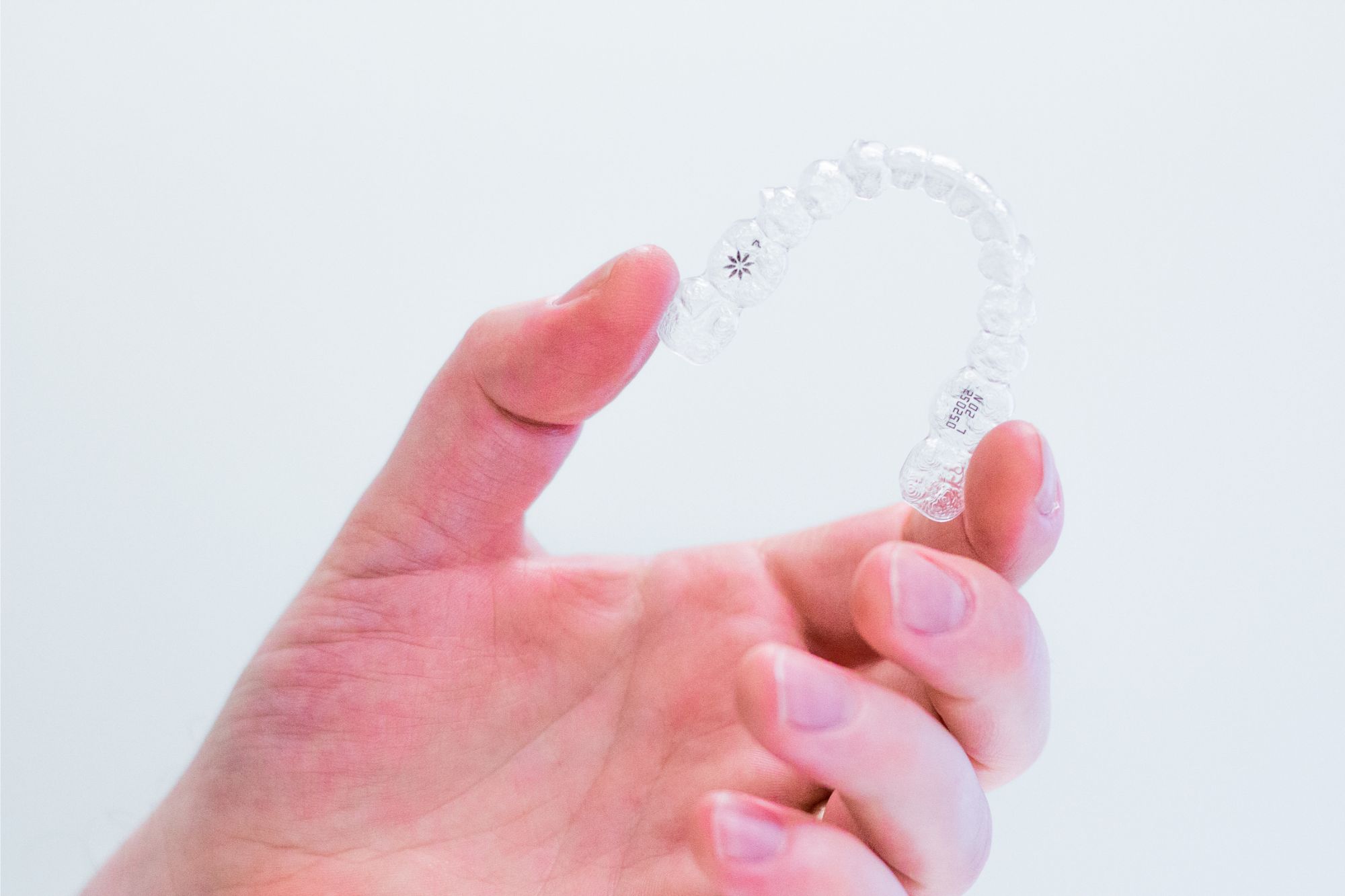
Clear aligners work similarly. If your plan calls for attachments on a crowned tooth, the same bonding techniques apply, though the attachments themselves are smaller and less noticeable. This makes aligners a popular pick for adults with multiple crowned teeth who want a subtle look.
How Do Orthodontists Handle Implants?
Dental implants are permanent anchors. Because they’re fused to the bone (a process called osseointegration), they can’t be shifted the way natural teeth can. Your orthodontist plans treatment around the implant, often using it as a stable anchor point to help move nearby teeth into their ideal positions.
What About Missing Teeth?
When you’re missing a tooth, your orthodontist has two main paths.
- Close the space by moving neighboring teeth together.
- Open or maintain the space for a future implant, bridge or other restoration.
The right choice depends on your bite, your facial profile, the location of the gap and your long-term plans with your general dentist.
What Tools Make Complex Treatment Possible?
X-rays and an iTero Element digital scan create a detailed 3D model of your teeth and gums, which allows Dr. Babaan or Dr. Zadmehr to plan each tooth movement in advance, including how each natural tooth will shift around your existing restorations. Your orthodontist can also coordinate with your general dentist or prosthodontist so everyone is aligned on timing and outcomes.
Benefits of Straightening Teeth Even With Existing Restorations
You might be wondering whether orthodontic treatment is really worth it if you’ve already invested in crowns or implants. For most adults, the answer is yes. Here’s why.
- Better bite function. Misaligned teeth put uneven pressure on your restorations. Straightening your bite reduces strain on crowns, bridges and natural teeth alike, which helps everything last longer.
- Ideal spacing for future restorations. If you’re planning an implant or bridge down the road, moving your teeth into proper position first can create the exact space needed for a natural-looking result.
- Long-term stability. Crowns and implants function best when surrounded by teeth in healthy alignment. Correcting crowding or spacing helps protect your investment.
- Reduced risk of further tooth loss. Crooked teeth are harder to clean, which raises the risk of gum disease and additional tooth loss. Straight teeth are easier to care for.
- A more confident smile. Many adults with past restorations feel self-conscious about remaining crookedness. Orthodontic treatment gives you the chance to enjoy your full smile, restorations and all.
- Smoother future restorative care. When your teeth are well-aligned, future restorative care tends to be simpler and more predictable.
For adults who’ve already put time and care into their oral health, orthodontics is often the finishing touch that brings everything together.
Braces vs. Clear Aligners With Restorations
Both traditional braces and clear aligners can work well for adults with crowns, implants or missing teeth. The best choice depends on your specific case. Here’s how the two main options compare.
Which Option Makes Sense for Most Cases?
- Clear aligners are often a good fit for adults with multiple crowns because they don’t require bonding brackets to every porcelain surface, only small attachments where needed. They may not be recommended for more complex bite issues or for patients with bridgework. Learn more about clear aligners and how they fit around existing restorations.
- Traditional braces give your orthodontist the most precise control, which can be helpful for detailed movements around implants or complicated bite corrections. See our adult braces options for more detail.
- Clear braces also exist as a middle-ground option for those who want the control of fixed braces with a more subtle look.
- Implants work the same way in every system, as fixed anchor points.
During your free consultation, Dr. Babaan or Dr. Zadmehr will review your restorations, imaging and goals to recommend the option that fits your case best.
Cost and Insurance Considerations for Complex Cases
Cases involving crowns, implants or missing teeth often require more planning time, extra imaging and coordination with other dental specialists. That can affect the overall investment.
Here’s what to keep in mind.
- Extended planning. Complex cases may cost more than straightforward treatment because of the added time and expertise required.
- Interdisciplinary care. If your plan involves working with a prosthodontist or oral surgeon, those services are separate from your orthodontic treatment.
- Possible restoration updates. In some situations, a crown may need to be replaced during or after orthodontic treatment, especially if the tooth’s position changes significantly. Your orthodontist will discuss this upfront.
- Insurance coverage. The Orthodontic Studio accepts most major insurance policies, and the team will help you file your claim to get the most coverage possible.
- Flexible payments. Payment plans and most major credit cards help keep treatment within reach.
Dr. Babaan will go over your treatment fee during your free consultation. No surprises, no pressure.
Are You a Candidate? Factors Your Orthodontist Will Assess
Most adults with past restorations are good candidates for orthodontic treatment. During your free consultation at The Orthodontic Studio, your board-certified orthodontist will look at several key factors.
- Gum and bone health. Healthy supporting structures are essential for tooth movement. If gum disease is present, it needs to be addressed first.
- Age and timing. There’s no upper age limit if your oral health is solid.
- Location and type of restorations. Where your crowns, implants or missing teeth are located affects the treatment plan. Front teeth, back teeth and anchor teeth all factor in differently.
- Future restorative plans. If you’re planning additional implants, bridges or crowns, sequencing matters. Sometimes orthodontic treatment comes first to create the right foundation.
- Oral hygiene commitment. Braces and aligners require consistent care, especially when crowns and implants are involved. Your willingness to keep up with cleanings and visits plays a big role in success.
Dr. Babaan will walk you through each factor so you know exactly where you stand before starting any individualized treatment plan. Everyone deserves a smile they love, and the team is here to help you get there with a welcoming, stress-free experience from your first visit forward. Ready to see what’s possible? Schedule your free consultation to get started.
Frequently Asked Questions
Can braces damage my crowns?
Damage to crowns is rare when the right adhesives and techniques are used. Specialized porcelain-bonding primers allow brackets to attach without harming the crown surface. When brackets are removed at the end of treatment, your orthodontist uses careful methods designed to protect your restorations.
Do braces work on dental implants?
No, braces cannot move dental implants. Because implants are fused to the jawbone, they stay exactly where they are. However, implants can serve as excellent anchor points, giving your orthodontist a stable base to move nearby teeth into their ideal positions.
Can I get clear aligners with a crown?
Yes, clear aligners are often a good option for adults with one or more crowns. Aligners don’t require bonding brackets to every tooth, so they work smoothly around existing porcelain restorations. Small attachments may be added to crowns in some cases using specialized bonding techniques.
Should I get braces before or after an implant?
In most cases, orthodontic treatment comes first. Moving teeth into their proper positions before placing an implant allows your dentist to create the ideal space and angle for the new tooth. Your orthodontist and general dentist will coordinate the timing based on your specific plan.
Can braces close the gap of a missing tooth?
Sometimes. Whether a gap can be closed orthodontically depends on your bite, the location of the missing tooth and your overall facial structure. In some cases, closing the space is ideal. In others, maintaining the space for a future implant is the better long-term choice.
How do brackets stick to porcelain?
Standard orthodontic adhesives don’t bond well to porcelain. Instead, your orthodontist uses a special porcelain primer or gently roughens the surface using a sandblasting technique. This creates a strong, secure bond that lasts throughout your treatment without harming the crown.