
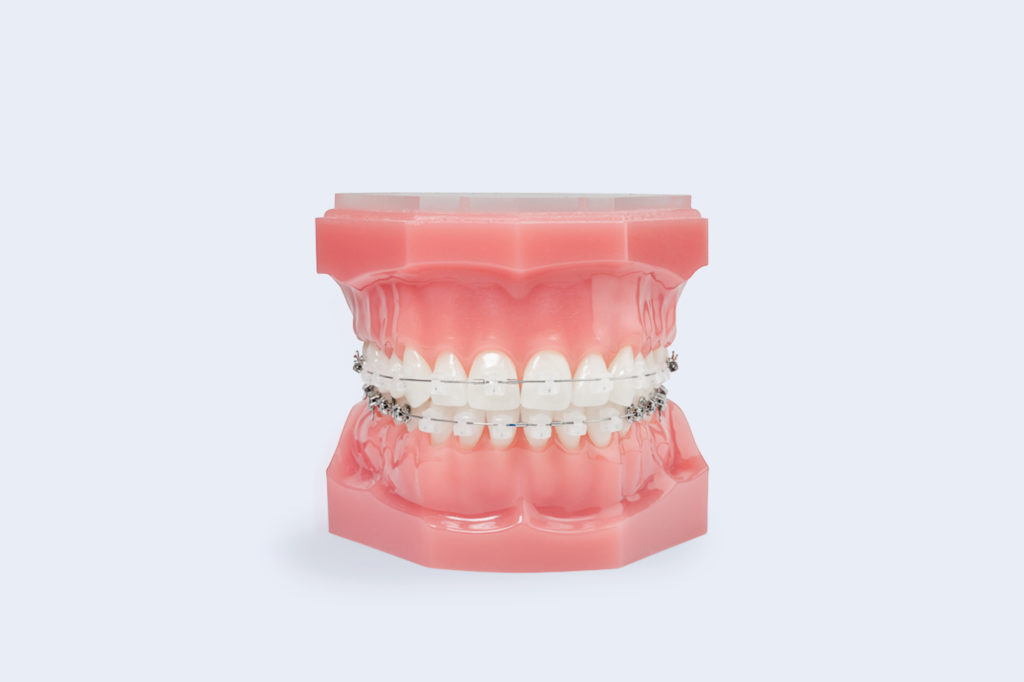
Clear braces for teens are tooth-colored ceramic brackets bonded to the front of the teeth and connected by a thin archwire. They straighten teeth the same way traditional braces do but blend in with natural enamel, making them far less noticeable in photos, videos, and everyday moments. Here’s what to expect when your teen chooses this discreet option.
What Are Clear Braces for Teens?
Clear braces for teens are fixed orthodontic appliances that use ceramic, tooth-colored brackets instead of metal ones. Like traditional braces, they apply gentle, continuous pressure through an archwire to shift teeth into their ideal position. The difference is purely aesthetic: because the brackets match enamel, they stay much harder to spot from a normal conversational distance.
For teens, that visual difference matters. Middle school and high school are packed with photos, presentations, sports, and social moments. Many teens (and their parents) love the idea of straightening teeth without the shiny metal look, so this option feels like an easy yes.
At The Orthodontic Studio, this is a common choice for teens who want an effective, low-visibility option and prefer something fixed to their teeth. That way they don’t have to worry about wearing an appliance for a certain number of hours each day. You can read more on our clear braces treatment page to see how the process works from start to finish.
How Clear Braces Work: The Everyday Experience
The process starts by bonding small ceramic brackets to each tooth. A thin archwire runs through the brackets and is held in place with tiny ties. Every few weeks, our board-certified orthodontists Dr. Babaan or Dr. Zadmehr adjust the wire to keep your teen’s teeth moving in the right direction. Over time, this steady, gentle pressure creates a straight, healthy smile.
Daily life usually looks pretty normal. Most foods are still on the menu, though your teen will need to skip hard, sticky, and crunchy foods like popcorn, hard candy, and gum to protect the brackets and wire. Brushing takes a little more effort, too: brushing after meals and using floss threaders or a water flosser keeps brackets clean and helps prevent staining around them. After each adjustment, teeth may feel tender for a day or two, and soft foods plus over-the-counter relief usually do the trick.
Active teens do well with this option, and a custom mouthguard is a smart addition for contact sports. Here’s a quick summary of what to keep in mind:
- Eating: Skip hard, sticky, and crunchy foods to protect the brackets.
- Brushing and flossing: Add a little extra time to keep brackets clean.
- Comfort: Expect mild tenderness for a day or two after adjustments.
- Sports: A custom mouthguard protects both the appliance and your teen.
A quick note on staining: the ceramic brackets themselves resist stains, but the clear or white ties that hold the wire in place can pick up color from foods like curry, tomato sauce, coffee, and berries. The good news is that these ties are swapped out at every visit, so any discoloration is short-lived.
Most teens visit the office every 4 to 8 weeks so we can check progress and make adjustments. Treatment monitoring is quick and straightforward, and we keep things relaxed for a welcoming and stress-free experience.
Why Teens Often Choose Clear Braces
This option gives teens a way to straighten their teeth without feeling self-conscious in the process. That confidence boost is often the top reason families choose it.
What makes clear braces so discreet?
Ceramic brackets blend with enamel, so they’re hard to spot in photos, on video calls, and during in-person conversations. That subtlety is a big deal during years filled with yearbook photos, prom, sports team pictures, and family celebrations. With clear braces your teen can smile without hesitation at every one of those moments. For teens who want to smile without compromise, this is often the sweet spot between visibility and effectiveness.
How do clear braces keep treatment on track?
Because the brackets are bonded to the teeth, there’s nothing to lose, forget, or take out. Treatment keeps progressing whether your teen is at school, at practice, or hanging out with friends. Fixed appliances also mean steady progress with no gaps in wear time, and they can handle many tooth movements, including rotations and bite corrections that some removable options can’t fully address. In short, no compliance worries and consistent results go hand in hand.
Clear Braces vs. Clear Aligners for Teens
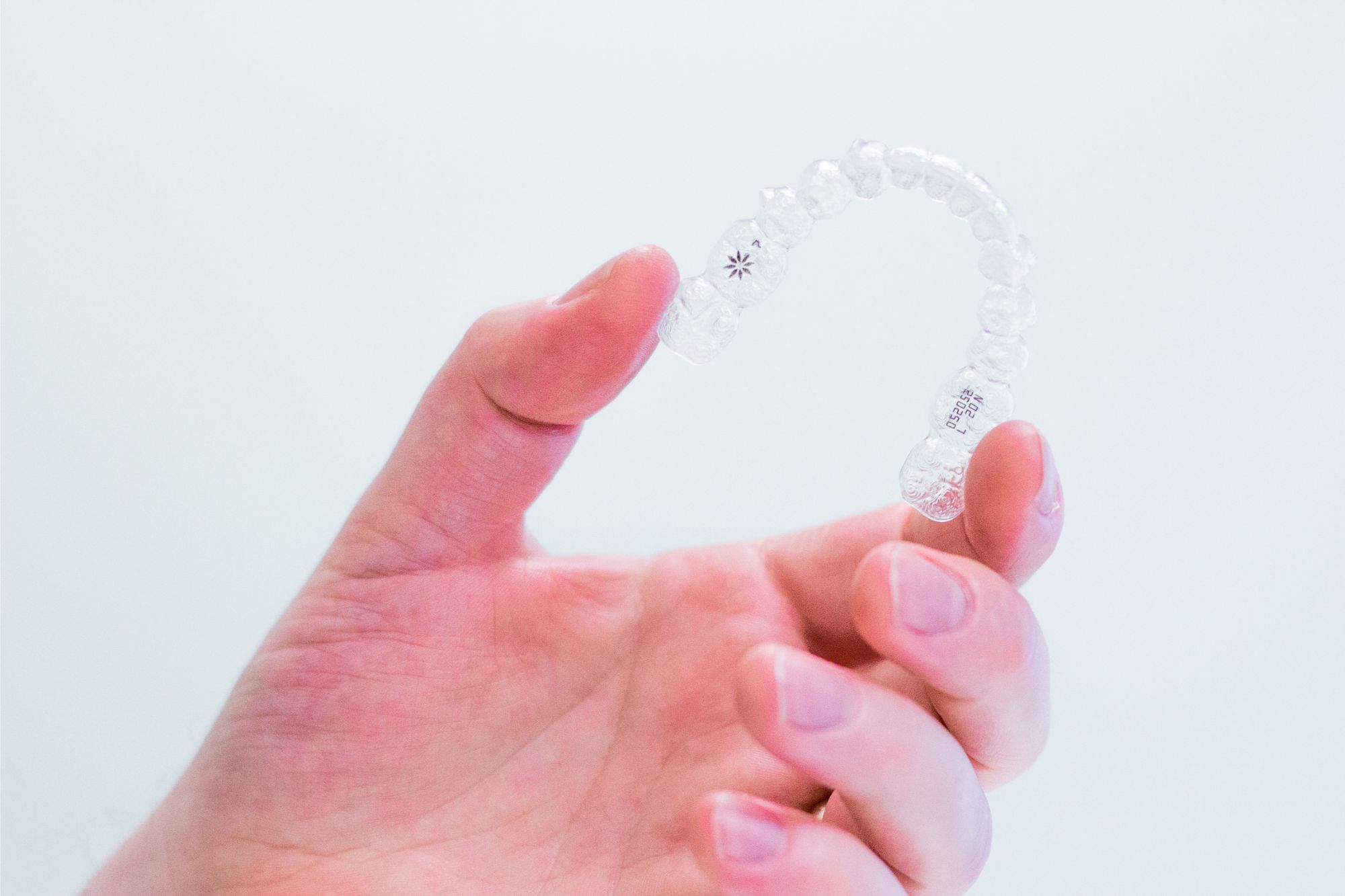
Both clear braces and clear aligners are less visible than traditional braces, and both can create beautiful results. The right choice depends on your teen’s case, personality, and daily habits. If you want to compare them further, our clear aligners page breaks down that option in detail.
Here’s a side-by-side look:
A fixed appliance is a great pick for teens who don’t want to think about wear time or misplacing aligners. It’s also a strong option when your teen has more involved tooth movements or bite corrections that need consistent pressure.
Removable trays, on the other hand, are ideal for disciplined teens who can commit to wearing them 20-22 hours a day and keep track of their trays. They offer flexibility with eating and easier oral hygiene.
At your free consultation, Dr. Babaan or Dr. Zadmehr will look at your teen’s teeth, bite, and lifestyle and recommend the option that fits best. Some teens are great candidates for either, and the final choice comes down to preference.
Cost Considerations for Families
The cost of clear braces for teens depends on how complex the case is and how long treatment takes, with typical treatment ranging from for most families. This type of treatment often costs slightly more than traditional metal braces because of the ceramic materials used. Every case is different, and the best way to get an accurate number is through a free consultation with our team.
Common factors that affect cost include:
- Case complexity. Mild crowding costs less to correct than a full bite correction with rotations and spacing.
- Treatment length. Longer cases typically involve more visits and materials.
- Materials used. Ceramic brackets and specialty wires can add to the total.
- Insurance coverage. Many dental plans include orthodontic benefits for teens, which can offset a meaningful portion of the cost.
We know braces are a real investment, and we always keep your family’s budget in mind. The Orthodontic Studio offers flexible payments and works with most insurance plans, so your family can start the smile of your dreams today with a clear picture of the numbers. During your free consult, we’ll walk through the full estimate, insurance benefits, and payment options in plain language.
Signs Your Teen May Be a Good Candidate
Not every teen needs the same approach, but there are a few signs that clear braces could be a great fit. A quick evaluation with Dr. Babaan or Dr. Zadmehr is the surest way to know.
Look for these signs:
- Most permanent teeth have erupted. This option works best once the majority of adult teeth are in place, typically in the early teen years.
- Good oral hygiene habits. Your teen brushes twice a day, flosses, and is willing to add a bit more time to keep brackets clean.
- Mild to moderate crowding, spacing, or bite issues. Many alignment concerns respond well to fixed appliances.
- Motivation to care for a fixed appliance. Your teen is on board with skipping certain foods and following care instructions.
- Aesthetic preference. Your teen wants straighter teeth but feels self-conscious about the look of traditional braces.
- Consistent access to follow-up visits. Adjustments every 4 to 8 weeks keep treatment on track.
If some of these boxes aren’t checked yet, that’s okay. We often meet with families early to build an individualized and unique treatment plan and revisit timing when your teen is ready.
Frequently Asked Questions About Clear Braces for Teens
Are clear braces as effective as metal braces?
Yes. Ceramic brackets use the same principles as traditional braces and can correct a similar range of alignment and bite issues. The main difference is appearance, since the brackets blend with enamel while metal brackets are more visible. For most teens, effectiveness is nearly identical when treatment is guided by a board-certified orthodontist.
How long do clear braces take for teens?
Treatment length varies based on the case. Most teens wear this type of appliance for about 12 to 24 months, though simpler cases may finish sooner and more complex ones may take longer. During your free consultation, Dr. Babaan or Dr. Zadmehr will review your teen’s individualized and unique treatment plan and share a realistic timeline.
Do clear braces stain?
The ceramic brackets themselves resist staining, but the small elastic ties that hold the wire in place can pick up color from foods like curry, coffee, berries, and tomato sauce. Since these ties are replaced at every adjustment visit, any discoloration is short-lived. Good brushing habits and rinsing after meals help keep everything looking fresh.
What should parents ask at the consultation?
Parents should come ready with questions and a notepad, since a few key topics help clarify the whole plan. Helpful things to ask include:
- Is my teen a good candidate for clear braces or clear aligners?
- What’s the expected treatment length and cost?
- How often will we come in for adjustments?
- What foods and habits should we avoid?
- How is oral hygiene monitored during treatment?
Do clear braces hurt more than metal braces?
No, they feel very similar. Both types cause mild soreness for a day or two after placement and after each adjustment. This is a normal part of teeth shifting. Soft foods, cold water, and over-the-counter relief usually help. Most teens adjust quickly and go about their normal routine within a few days. Everyone deserves a smile they love, and Dr. Babaan or Dr. Zadmehr would love to help your teen enjoy their orthodontic experience, so reach out to schedule a free consultation whenever your family is ready.